List of Sports for Kids: Fun and Fitness
Between school, homework, and screen time, it is easy for a child’s day to pass without any real movement. This is exactly why sports for kids matter so much. They are not just a way to burn off energy, they build strength, focus, and confidence that carry into every other part of life.
Every child is different, and not every sport suits every personality. Some kids thrive in a team environment, while others prefer the quiet focus of an individual game. This guide breaks down popular sports for kids by age group and helps you understand what to look for while choosing one.
Why Sports Matter for a Child’s Growth
Physical activity does far more than keep children fit. It shapes how they think, feel, and interact with others.
- Physical benefits: stronger bones, better motor skills, improved heart health, and healthy body weight
- Mental benefits: sharper focus, reduced stress, and better sleep patterns
- Social benefits: teamwork, communication, patience, and the ability to handle both winning and losing
Regular play also helps children develop a routine early on, which often translates into better discipline in academics as well.
Best Sports for Kids by Age Group
Age plays a big role in deciding which sport a child can handle physically and mentally. Here is a simple breakdown to help you match the sport to the stage.
Age Group | Recommended Sports | Key Benefit |
|---|---|---|
3 to 5 years | Swimming, cycling, simple dance forms | Coordination and balance |
6 to 9 years | Football, badminton, athletics | Stamina and basic skill building |
10 to 13 years | Basketball, tennis, cricket | Teamwork and strategic thinking |
14 years and above | Track and field, martial arts, competitive swimming | Discipline and goal setting |
Popular Team Sports for Kids
Team sports are a great way to teach children how to work with others while chasing a common goal.
Football
Football builds stamina, agility, and quick decision-making. It is easy to introduce even at a young age since the rules are simple to grasp.
Cricket
Cricket teaches patience and precision. It also works well for children who enjoy strategy as much as physical activity.
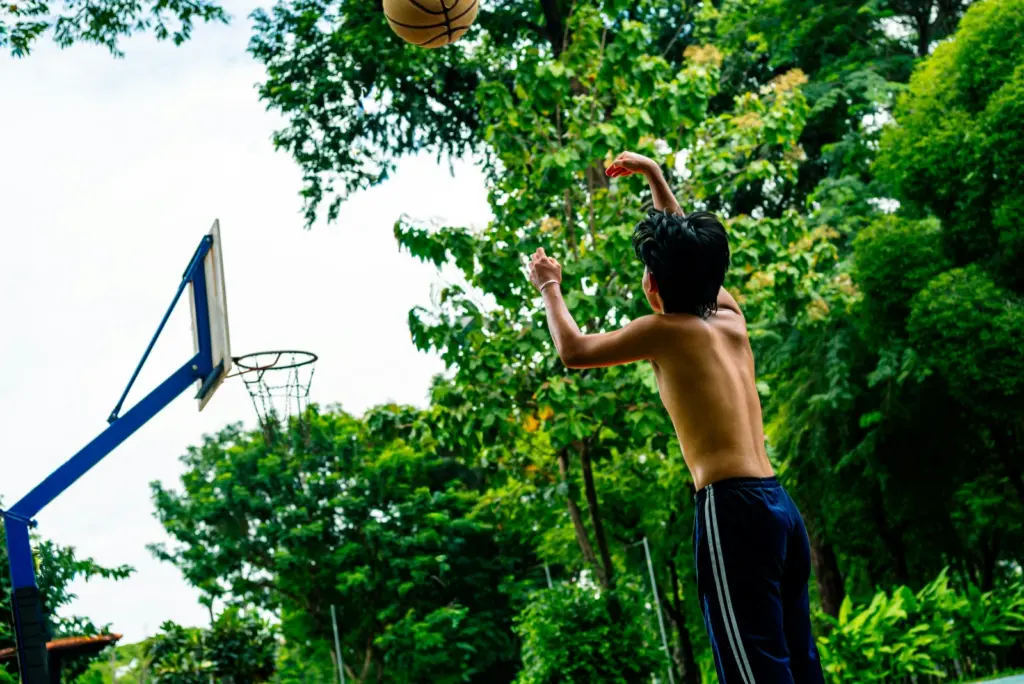
Basketball
Basketball improves hand-eye coordination and helps children build height-appropriate strength and speed over time.
Popular Individual Sports for Kids
Individual sports suit children who prefer to progress at their own pace and measure their improvement against themselves.
Swimming
Swimming works almost every muscle group and is gentle on joints, making it one of the safest full-body sports for kids.
Badminton
Badminton sharpens reflexes and footwork. It is also easy to practise at home or in a small court, which makes it accessible.
Athletics and Track Events
Running, jumping, and throwing events help children build raw fitness and often reveal natural talent early on.
Choosing the Right Sport for Your Child
The best sport is the one your child actually looks forward to playing. Keep these points in mind while deciding.
- Observe what your child naturally gravitates towards during free play
- Consider their body type and current fitness level, not just their age
- Check how the sport fits around school hours and homework time
- Look at whether the school or neighbourhood has the right facilities and coaching available
Many best schools in bangalore now build structured sports periods into the weekly timetable, which makes it easier for parents to introduce children to organised play without adding a separate outside commitment.
Role of Schools in Encouraging Sports Participation
A school’s approach to physical education often decides how consistently a child stays active. Daily PE periods, annual sports days, and inter-school tournaments all help build the habit early.
Top rated schools in bangalore often invest in trained coaches, proper grounds, and age-appropriate equipment, giving children structured exposure to different sports from an early stage rather than leaving it to chance.
Parents shortlisting nursery schools in bangalore should also check whether the school includes simple physical play and motor-skill activities from the pre-primary level itself, since habits formed this early tend to stick.
Common Mistakes Parents Make When Introducing Sports
- Pushing a sport the child shows no genuine interest in
- Focusing only on competition and results instead of enjoyment
- Ignoring rest days, which increases the risk of burnout or injury
- Comparing a child’s progress with that of siblings or classmates
Key Takeaways
- Sports for kids build physical, mental, and social skills together, not just fitness
- Age-appropriate sports keep children engaged without overwhelming them
- Team sports build collaboration, while individual sports build self-paced discipline
- A school’s sports infrastructure and coaching quality matter as much as the sport itself
Conclusion
There is no single right sport for every child. The goal is to expose them to a few options, watch what excites them, and let that interest guide the routine. Once a child finds a sport they enjoy, staying active stops feeling like an obligation and becomes something they look forward to.
If you are still evaluating schools and want physical development to be part of the decision, it helps to ask specifically about coaching staff, grounds, and how often children get to play during school hours.
FAQs
1. At what age should kids start playing sports?
Children can start simple physical activities like running and swimming as early as 3 to 4 years old. Structured sports with rules usually work better from age 6 onwards.
2. How much physical activity do kids need every day?
Most health guidelines recommend at least 60 minutes of moderate physical activity daily for school-going children.
3. Which sport is best for a child’s overall fitness?
Swimming is often considered one of the best all-round sports since it works multiple muscle groups while being gentle on the joints.
4. Can sports and academics be balanced without affecting grades?
Yes, as long as the schedule is realistic. Most children manage well with a fixed sports slot a few times a week alongside regular study time.
5. Are team sports better than individual sports for young children?
Neither is inherently better. Team sports build collaboration skills, while individual sports build self-discipline and personal goal setting.
6. How do I check if a school offers good sports facilities?
Ask about the number of PE periods per week, available grounds and equipment, coaching qualifications, and how the school handles inter-school competitions. This is especially useful when comparing best icse schools in bangalore, since academic reputation does not always reflect sports infrastructure.
7. What should I do if my child shows no interest in any sport?
Try exposing them to a variety of low-pressure activities without forcing commitment. Interest often develops once a child feels comfortable rather than evaluated.