Who Wrote the Mahabharata? Origins of the Epic
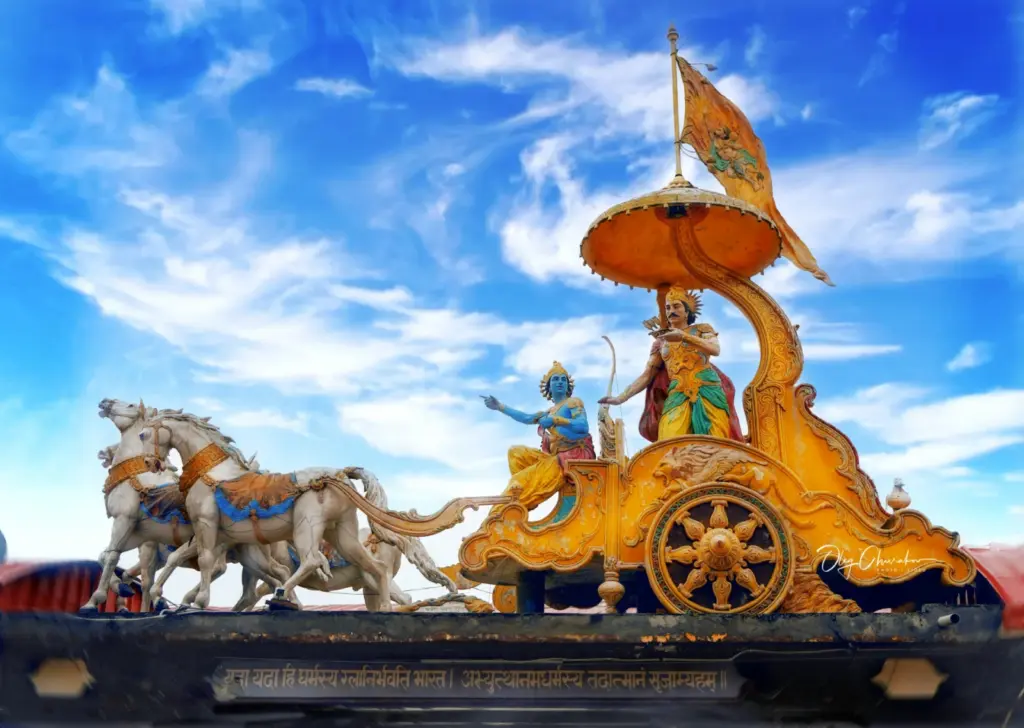
Few questions about Indian mythology come up as often as who wrote the Mahabharata. The answer involves a sage, a divine scribe, and centuries of oral storytelling before the epic took the form we know today.
The Mahabharata is not just a story of a family feud and a great war. It is a layered text that grew over generations, carrying philosophy, history, and moral instruction within its verses.
The Legend Behind the Mahabharata’s Authorship
According to tradition, the Mahabharata was composed by Sage Vyasa, also known as Krishna Dvaipayana Vyasa. He is credited not only with authoring the epic but also with appearing as a character within its own narrative.
This blending of author and character is unusual and adds to the epic’s mystique. Vyasa is portrayed as both the storyteller and a participant in the events he narrates.
Sage Vyasa: The Traditional Author
Vyasa is regarded as one of the most significant sages in Hindu tradition. Beyond the Mahabharata, he is also credited with compiling the Vedas and authoring the Puranas, earning him the title Veda Vyasa.
Within the epic, Vyasa is the grandfather of both the Pandavas and the Kauravas, placing him at the centre of the very story he is said to have composed.
The Role of Lord Ganesha in Writing the Mahabharata
One of the most well-known legends says that Vyasa needed a scribe who could write as fast as he could narrate the epic. Lord Ganesha agreed, on the condition that Vyasa would not pause while dictating.
Vyasa agreed but added his own condition, that Ganesha must understand each verse before writing it down. This clever exchange gave Vyasa time to think through complex passages while Ganesha worked through their meaning.
How the Mahabharata Was Compiled Over Centuries
While tradition credits Vyasa as the author, most scholars agree the Mahabharata evolved over several centuries through oral retelling before being written down in its final form. This layered development explains why the epic contains such a wide range of themes, from battlefield strategy to deep philosophical dialogue.Structure of the Mahabharata: Parvas and Verses
The Mahabharata is divided into 18 major sections called parvas. It is considered one of the longest epic poems in the world, containing well over 100,000 verses. Its most famous section, the Bhagavad Gita, appears within the Bhishma Parva and is often studied independently for its philosophical depth.Key Themes and Lessons from the Epic
- Dharma, or the idea of righteous duty, even when the choice is difficult
- Karma and the long-term consequences of one’s actions
- Family loyalty versus personal ethics during times of conflict
- The costs of war and the value of dialogue before conflict
Why the Mahabharata Still Matters Today
The Mahabharata continues to be referenced in literature, film, and everyday conversation because its dilemmas are timeless. Questions about duty, ambition, and consequence remain just as relevant today. Schools that emphasise value-based learning, including several top rated schools in bangalore, often introduce students to episodes from the Mahabharata to teach lessons on ethics and decision-making. Best schools in bangalore frequently use stories from Indian epics as part of moral science or language classes for younger grades, making abstract values easier to understand through familiar characters. For families exploring best icse schools in bangalore, checking how the school integrates Indian literature and mythology into its curriculum can be a good indicator of how well it balances academics with cultural learning.Key Takeaways
- Tradition credits Sage Vyasa as the author of the Mahabharata
- Lord Ganesha is said to have written it down as Vyasa narrated
- The epic likely developed over centuries before reaching its final form
- Its themes of dharma, karma, and duty remain relevant in classrooms and daily life today